
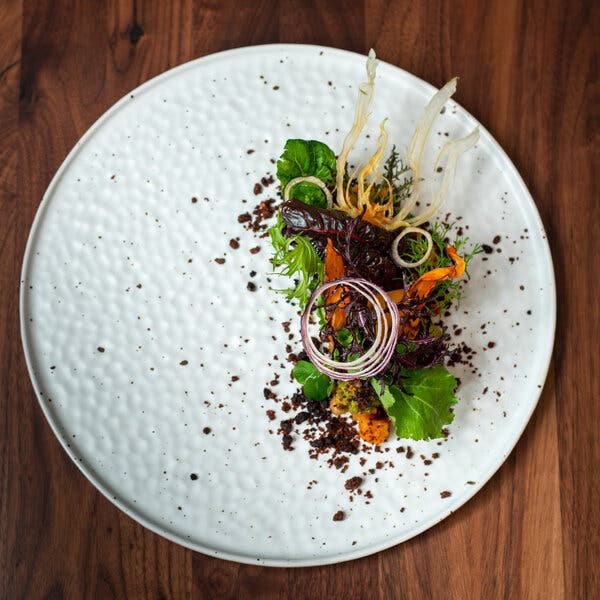
Just before you start to eat a wonderfully arranged dish, there is a silent silence. First, you see the colors, maybe a contrast between deep crimson and gentle ivory, the way a drizzle curves around the margin, or how one leaf seems precisely positioned. It’s not just food. It’s an experience.
Plating, at its heart, is storytelling. It’s how chefs guide your eyes before your taste buds catch up, how they build anticipation one detail at a time. And here is the lovely thing: you may make it without being a professional chef. By using simple fine-dining plating techniques for home cooks, you can add that same level of artistry to your tables and turn regular dinners into something a little more exceptional.
The Art of Presentation: Why Plating Matters in Fine Dining
Before flavor even touches your tongue, presentation sets the stage. It’s the quiet language food communicates. Your head already begins to anticipate something tasty when you see a cuisine that seems balanced, vivid, and meticulously presented. And that expectation actually heightens the experience.
Plating in fine dining is a harmony of art and science. It is about balance, contrast, and self-control. Too much on the plate feels chaotic. Too little feels empty. The trick is finding harmony. Hashmi Cuisine does so brilliantly; every dish is deliberate, every stroke and dash is meant to arouse interest and pleasure.
Consider it like writing a song. The melody could be a spoonful of saffron sauce; a sharp garnish, the high note; a smooth purée, the subdued harmony underneath. Every component counts; combined, they produce rhythm on the plate. Creating a visual narrative that renders the meal alive before the first bite is the essence of actual dining plating techniques.
Mastering the Canvas: Choosing the Right Plate
Every artist has a canvas; for a chef, that canvas is the plate. It is the framework, the basis, the silent backdrop that enables your cuisine to stand out. The way colors stand out, the feel of textures, and even how much room your ingredients appear to take up are all influenced by your plate choice.
For home cooks, begin with the basics. White plates are timeless. They make colors pop and textures stand out without distraction. Matte finishes are also beautiful; they lend a little warmth and depth. Stealing focus from the food itself, plates that are too patterned or brilliant should be avoided.
At Hashmi Cuisine, the plate is chosen with care. A deep bowl might contain the scent and heat of a rich, saucy curry. A broad, flat plate could enclose a delicate seafood dish or dessert, in which every component is meant to be savored before being eaten.
You can try the same at home. Let your dish guide your choice. Think about how the colors and shapes interact with the plate. When the canvas feels right, everything else flows naturally.
Balance and Composition: Creating Visual Flow
Balance gives your plate that effortless beauty. It’s what makes it feel calm, not crowded. Think of your plate split into three parts, a visual technique called the Rule of Thirds, to get started easily. Rather than centering your food, arrange it somewhat to one side. It attracts attention and gives energy.
Symmetry can feel classic, almost formal. Asymmetry seems more modern and vibrant. Layer ingredients, perhaps a purée foundation, something crunchy or seared on top, and a little sauce to highlight it. Leave room too; negative space is breathing room, not nothingness.
Picture this: a dome of golden saffron rice beside a glossy curry, with just a hint of mint yogurt on the side, maybe a thin slice of chili for color. Clean lines, natural placement, and balance. These plating techniques for home cooks don’t need fancy equipment, just attention to detail and a willingness to play with composition.
Color, Texture, and Garnish: Engaging the Senses
Color isn’t decoration. It’s emotion. It can make a dish feel warm and comforting or bright and refreshing. Think of how red and gold create richness, while greens and purples bring freshness and contrast.
Texture adds excitement. A little crunch, a soft center, and a smooth sauce together make every bite enjoyable. Don’t be afraid to mix elements. Maybe a crisp fried shallot against a silky purée, or a drizzle of oil gliding over a tender piece of meat.
And then there’s garnish. The smallest detail, but often the one people remember. Use herbs, edible flowers, citrus zest, or spice dusts. But use them with intent. A garnish should belong, not just decorate.
Garnishes tell a part of the story at Hashmi Cuisine. A scattering of pomegranate seeds for brightness, a streak of saffron sauce for warmth, a single petal for beauty. Nothing feels added for the sake of it. That’s the difference between good plating and artful plating; every detail has meaning.
Sauce, Drizzle, and Dust: The Finishing Touches
Sauce is where emotion meets precision. The way it’s applied changes everything. A spoon gently fell to one side; a brush swept across the plate; a few little dots transformed a dinner into an experience.
With basic tools, you could do this at home. While the back of a spoon may produce those lovely, sweeping forms that cooks enjoy, a squeeze bottle gives you control over fine lines. Spice powders, oil drops, and micro herbs provide that final degree of sophistication.
These serving plating methods sound minor, but they completely change everything. They transform home cooking into a soft drizzle of tamarind glaze, a whirl of mint chutney, and grilled lamb, a spice of chili powder. Something that smacks of upscale dining.
Plating with Emotion: Telling a Story Through Food
Every plate tells a story, sometimes of where the ingredients came from, sometimes of who made it. Food isn’t just technical; it’s emotional. Plating helps express that emotion.
If your dish is about comfort, let it look that way, rustic, full, generous. If it’s about elegance, keep it minimal and precise. The way you plate reflects the feeling you want to share.
Every meal at Hashmi Cuisine has a story. The cooks draw inspiration from their travels, family recipes, and legacy. Each presentation connects tradition with creativity. Food speaks softly but powerfully even before you try it.
FAQs
Why is plating so important in fine dining?
A gorgeous presentation enhances how food tastes by setting the right expectations, since we first consume with our eyes.
Can home cooks really apply fine dining plating techniques?
Absolutely. It’s about mindfulness and creativity, not fancy tools. Anyone can do it with practice.
What’s the easiest way to start improving plating at home?
Focus on clean presentation. Wipe the edges of your plate, balance portions, and consider color contrast.
Conclusion
At the end of the day, plating isn’t about perfection. It’s about care. It’s about slowing down for a moment to make something beautiful, not because you have to, but because it changes the way you feel about what you’ve made.
Start with one small change. Maybe you place the main dish off-center. Maybe you wipe the rim of the plate before serving. Little details like that change everything.
With time, it becomes instinct. You’ll start seeing your food differently. You will become more confident and more connected to what you are making. The true beauty of plating is that it makes you appreciate your meal before you even taste it.
Visit Hashmi Cuisine if you ever want to see what actual fine dining artistry looks like. Savor the accuracy, the equilibrium, and the intensity that every dish bears. Every plate at Hashmi Cuisine is a tale told via taste, color, and emotion.
