
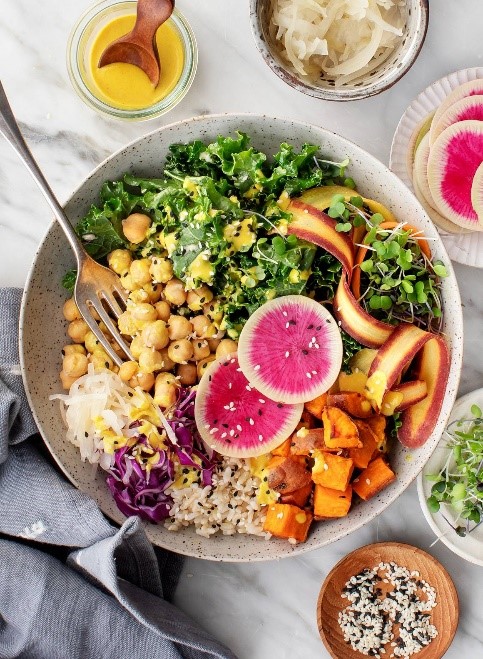
Grains, herbs, vegetables, and exquisitely fragrant spices, each taking center stage, offer nuanced, deep, and rather memorable flavors. Created with diligence, these meals have the same class and distinction you would find at a posh restaurant. And in many ways, the art you encounter at establishments like Hashmi Cuisine, with its painterly plating method and chef-driven inventiveness, provides the ideal inspiration for boosting plant-forward food at home. This blog explores how simple it is to incorporate opulent, plant-centered experiences into your own cooking.
Why Plant-Based Gourmet Meals Are Transforming Modern Dining
Plant-based cuisine is now viewed beyond the limited perspective of food limits or fitness trends. Its culinary lexicon is changing the landscape of upscale food. Modern cooking has embraced this shift, as customers increasingly want complexity. They search for plates that are understated yet stylish, delicious but not overpowering.
And the conviction that vegetarian meals are plain or easy has faded. With expert hands, even a modest mushroom may serve as a conduit for sophisticated umami. Herbs form the fragrance’s architecture. Spices come to form the center of a cuisine. This elevation, this change, has made plant-forward cuisine a permanent fixture of the gourmet scene.
The Core Elements of Creating Gourmet Meals Without Meat
Before getting into the methods themselves, one must first grasp how every component adds to the complexity and richness of plant-based cuisine.
Building Depth of Flavor
In plant-based luxury dinners, umami is rather essential. Slow cooking, caramelizing, smoking, and reducing give even the most simple veggies more unique tastes. Mushrooms have a richness virtually like that of butter; over time, onions become golden and mellow; tomatoes become acidic and sweet. Gently layering these components creates a quiet magic that lends a dish a more sophisticated impression than it seems to have. Though it appears complex, the real procedure is straightforward, almost meditative.
Playing With Textures for a Luxurious Bite
Texture provides plant-based gourmet cuisine with its rich sensation. Crunch, softness, and slight chew create contrast for the chefs. Say, eaten with crispy chickpeas or caramelized veggies, a creamy roasted pepper puree becomes more appealing. Dividing a properly roasted cauliflower steak elevates the sensory experience. On a plate, texture adds personality, dimensions, and even theatre.
Aromatics, Spices, and Cultural Inspiration
Either warming or lightening, garlic, ginger, saffron, basil, cardamom, and roasted spices all contribute emotional complexity. Global cuisines offer endless inspiration here. From the smokiness of Middle Eastern paprika to the calming turmeric of South Asian cooking, these components turn simple fruits into something rather extraordinary. Hashmi Cuisine captures that balance of spice and restraint, with flavors intense yet elegant, traditional yet modernized.
Easy Plant-Based Gourmet Meals You Can Create at Home
Elegant plant-based cuisine is not always difficult. Sometimes the most exquisite meals seem the most basic of all. Imagine a tahini swirl dusted over golden and crisp outside, a cauliflower steak. Though basic, the richness of flavor and appearance give it the appearance of a genuine gourmet gathering.
Or serve grilled broccolini over a bed of flavorful lentils. Particularly, it’s topped with just chopped herbs or grilled pistachios, which look great on the dish. Another simple but elegant suggestion is a saffron-infused vegetable stew, drizzled with toasted carrot ribbons and sprinkled with crispy shallots. Rather than depending on established recipes, these ideas inspire you to investigate and perfect your own culinary rhythm.
And appearance matters. The delight of the meal comes from the way hues contrast, how components settle on the plate, and how sauces slip around them. Hashmi Cuisine’s visual style reminds us that taste expresses itself in design.
Bringing Fine-Dining Techniques to Your Plant-Based Kitchen
Particular outstanding fine-dining techniques can make all the difference if you want your plant-based gourmet cuisine to feel restaurant-ready. For instance, knife abilities can change how ingredients appear and cook. Even textures and more attractive plates result from uniform cuts. Understanding how to chiffonade herbs or cut vegetables just gives your meal that ethereal, elegant finish.
Rapid searing generates contrast; slow cooking adds wealth. Knowing when to let vegetables caramelize and when to keep them vibrant separates a good meal from a very exceptional one. Also essential are sauces. Reductions, emulsions, purees, and infused oils transform ordinary ingredients into striking components.
Finally, consider color balance. A plate with greens, golds, deep reds, and soft creams looks naturally gourmet. Place each element intentionally, not rigidly, letting the plate feel like a canvas. These are the same principles that guide plates at Hashmi Cuisine, where artistry serves as an extension of flavor.
How Restaurants Like Hashmi Cuisine Inspire Home Cooks
Hashmi Cuisine and others demonstrate how opulent and soulful vegetarian cuisine can be at the same time. Every component is treated with respect by the cooks, who let scents, textures, and spices steer the dish. Their cuisine shows depth, equilibrium, and craftsmanship; every choice is founded on taste.
Each component tells a narrative as you observe how they plate a meal. The experience, rather than simply a dinner, is created by the intentional arrangement of veggies, the interplay of color and contrast, and the careful sprinkling of a sauce. This same inspiration can also direct your attitude at home. If you want to explore more of their culinary spirit, you can naturally find it on our website, where our philosophy of flavor and presentation is reflected in every offering.
FAQs
What makes plant-based gourmet meals different from regular plant-based dishes?
To deliver a lavish meatless dining experience, they employ sophisticated culinary techniques, layered flavors, and elegant presentation.
Are plant-based gourmet meals difficult to cook at home?
Not at all. Using basic methods like grilling, searing, and flavored oils, home chefs can readily produce refined, restaurant-quality meals.
How can I build richer flavors in plant-based cooking?
To create depth and richness, employ umami-rich components such as mushrooms, tomatoes, caramelized onions, and slow reductions.
Conclusion
Plant-based gourmet meals let one prepare complex, tasty, and fulfilling cuisine without ever reaching for flesh. Employing strategies that highlight, texture, balance, and aroma will help you to give your regular meals a fine-dining attitude. Mainly motivated by curiosity and good intentions, these meals help us to remember that plant-based cuisine possesses its own kind of luxury. Discover the artistry and taste philosophy of Hashmi Cuisine for even more gastronomic ideas and a greater understanding of elegant, plant-forward cooking; every dish honors the beauty of sophisticated dining.
