
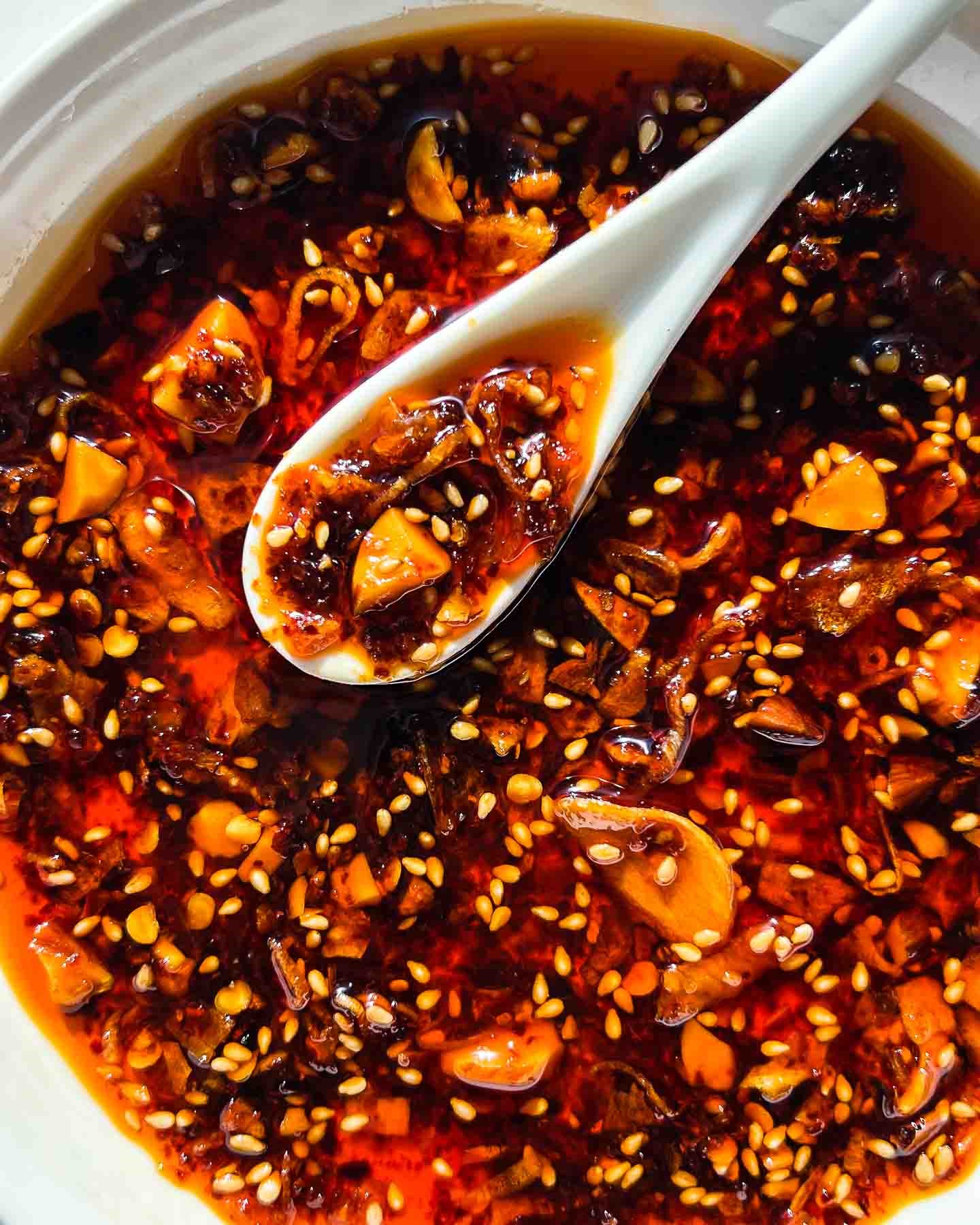
Memorable meals are not only cooked; they are choreographed. Every bite is a symphony of notes where flavors rush, stay, then dissolve. Heat, fat, and umami, three strong components, make up the core of fine dining. Each one has its part like symphony instruments; together they produce the intense resonance that distinguishes great food. This is where culinary science meets art, and where Hashmi Cuisine gets its inspiration.
This blog will discuss how heat stimulates the tongue, how fat anchors it with richness, and how umami weaves everything together into a sophisticated cuisine, telling a story.
The Role of Heat in Elevating Taste
The stimulus that brings the taste is heat; it has always been more than just temperature. From the fiery punch of chilli to the subtle warmth of cinnamon, spices lend a meal energy. Aside from improving the taste of food, heat has been employed culturally for centuries to chronicle stories of place and culture.
Think of the searing heat of Indian masalas, the smoldering heat of Mexican chipotle, or the peppery subtleties of Sichuan food. Heat heightens our senses, raises knowledge, and grabs the tongue. Still, in magnificent cuisine, it is about guiding flavor, creating anticipation, and layering flavors in discreet balance instead of overpowering.
Why Fat is the Silent Hero
While heat excites, fat comforts; it is the silent hero of flavor, coating the palate and carrying aromas that would otherwise remain muted. Consider the smoothness of olive oil, the richness of cream in a rich sauce, or the golden abundance of melted butter; every color in a recipe: Fat helps to improve meals by way of its texture, richness, and long-lasting ability.
Different cultures have opposing attitudes on fat as seen in the use of coconut milk in Southeast Asian curries, duck fat in French cuisine, and ghee in South Asian households. Apart from its contributions to richness, fat is a mild element that balances acidity and creates harmony in locations otherwise dominated by intense flavors.
Unlocking the Magic of Umami
If heat triggers and fat soothe, Umami is the anchor. Often referred to as savory depth, umami lends food its soul. Found organically in mushrooms, soy sauce, Parmesan, or slow-cooked soup, it stays for a considerable time after the first taste. Beyond just flavor, a well-crafted umami recipe links and generates a memory of fulfillment that endures beyond the moment.
Long welcoming this fifth flavor, worldwide cuisines have long embraced dashi broth from Japan, aged cheeses from Italy, and fermented sauces from Korea. Each exposes the way umami unites civilizations via taste. The note turns basic meals into profound experiences and, in a chef’s hands, becomes a storyteller of tradition and innovation.
The Art of Flavor Balance Cooking
Together, heat, fat, and umami create an impact greater than the sum of their respective influences. Intense spice, creamy richness, and savory depth combine to create balance in the dish, which is the basis of food. Too little can dull a dish; too much of one might overpower it. But when it’s perfect, the experience is terrific.
Imagine a curry where chili initially bursts, cream calms the fire, and slow-cooked tomatoes offer deep, rich umami notes. Or a Mediterranean supper with ancient cheese for enduring flavor, and olive oil softens the spice. The science is exact, but the art is in intuition, knowing when to lift, when to soothe, and when to anchor.
From Chef Hashmi’s Table to Yours
Every meal at Hashmi Cuisine serves as more than just sustenance; it connects civilizations, memories, and traditions. Chef Hashmi transforms culinary science into a tangible narrative on the plate by respecting heat, fat, and umami. Every piece embodies a philosophy: Food should not only alleviate hunger but also ignite curiosity, conjure tradition, and foster relationships.
Hashmi Cuisine encourages you to discover the art of balance in your own kitchen via recipes, classes, and experiences. Try spice, enjoy richness, and uncover the great depths of umami recipes while creating stories to tell at your table.
FAQs
Why is umami considered the “fifth taste”?
Umami has a savory richness that persists, unlike the other flavors of sour, bitter, salty, or sweet. Found chiefly in foods like aged cheese, soy sauce, mushrooms, and broths, it brings complexity that converts ordinary meals into amazing ones.
What is the key to achieving balanced flavors in cooking?
Here, the key is harmony. Ensuring that no single ingredient overshadows the meal requires a harmony of spiciness, richness from fat, and depth from umami. Instead, they work together to create layers of flavor that develop with every morsel.
How does fat enhance flavor in recipes?
Flavor is carried by fat. It prolongs the flavor, covers the palate, and mellows harsher notes, such as acidity or spice. From butter to olive oil, it gives food a luxurious texture through flavor balance and cooking.
Conclusion
Juggling of heat, fat, and umami is both science and poetry. Working together, they transform meals into something enduring, dishes that not only fill but also connect. Hashmi Cuisine captures this harmony by combining tradition with creativity, therefore drawing food lovers to appreciate the skill of equilibrium.
Beginning with curiosity and ending in the joy of sharing, whether through the investigation of worldwide influences or experimentation with novel combinations at home, the adventure of taste begins. Discover Hashmi Cuisine’s recipes, eating experiences, and lessons, where Chef Hashmi transforms flavor science into amazing artistry, and gain personal knowledge of this philosophy. Discover more with Hashmi Cuisine.
