
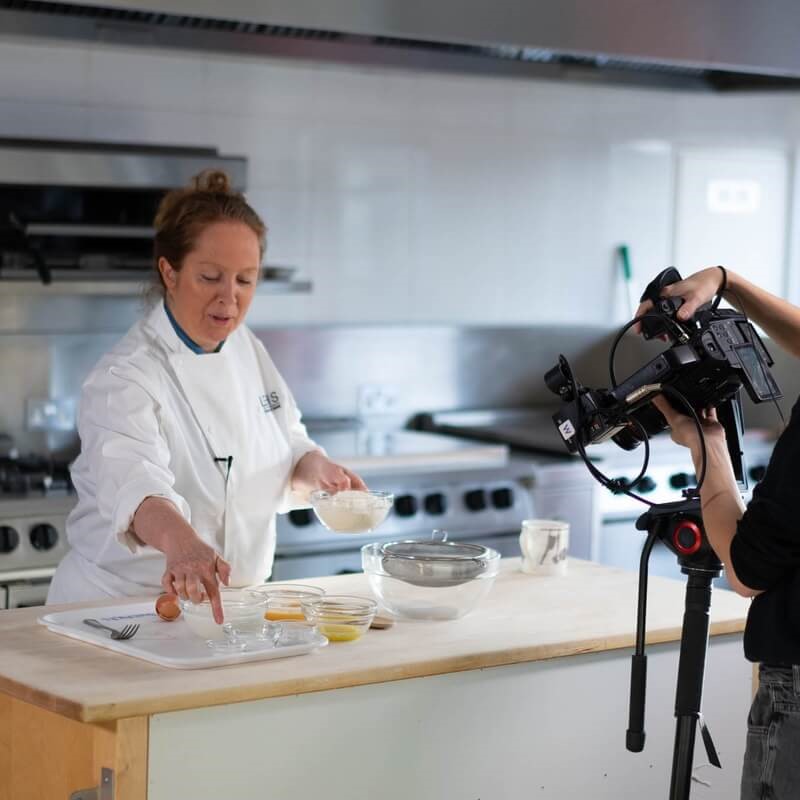
Learning to cook without being in a kitchen with someone walking you through each step could seem a bit unusual. It somewhat resembles trying to learn to ride a bike by watching television. Virtual cooking classes, however, offer a comprehensive, interactive, and organized method of learning the culinary arts through online platforms. These formats—pre‑recorded lessons, live sessions, or even ingredient‑delivered meal kits—provide flexibility and convenience, allowing you to learn anytime, anywhere, and yes—even in pajamas. It’s a great way to improve your home cooking or prepare for a culinary career, all without side‑lining your schedule.
A New Way to Learn Cooking — Virtually
Online chef education is exactly what it sounds like: culinary training offered through digital platforms. The depth and emphasis of these programs vary; some are brief lessons, while others are thorough training modules that span several months. All of them, though, share the same primary objective: to assist you from your kitchen in becoming a more competent and confident cook.
This is not the sort of learning you press play and tune out. It’s guided, intentional, and designed to mimic the structure of in-person culinary schools — but with the freedom to pause, rewind, or watch from the comfort of your own pajamas.
Why People Are Turning to Online Chef Education
For many people, a traditional culinary school isn’t a realistic option. Maybe it’s the cost, the commute, or the fact that leaving your full-time job for a classroom just isn’t possible. That’s where online chef education fills the gap. It offers real culinary development in a format that fits real life.
Particularly for those who want to explore food as a creative medium, this type of learning is quite enticing. You don’t have to be a prospective chef to consider it seriously. Perhaps you only wish to prepare something significant, wow your family with homemade biryani, or finally learn how to use that pile of spices lying dormant in the pantry.
Who Can Enroll in Online Cooking Courses?
One of the best things about online chef education is that there are no entry barriers. You don’t need to submit an application or have experience. You don’t even need a massive kitchen. From absolute beginners to seasoned chefs seeking to refine their techniques, these courses are designed for all types of students.
Often, these platforms feature a combination of prerecorded videos, live sessions, and downloadable content, covering a wide range of topics. Many programs allow you to choose your degree and field of interest, so there is something suited to you, whether you are into baking, plant-based meals, regional cooking, or knife mastery.
What You’ll Actually Learn Online
This is where people are usually surprised. Online chef education doesn’t just teach you how to follow recipes. It shows why things operate as they do. You will develop the basics, including kitchen safety, ingredient theory, cooking methods such as roasting and sautéing, and even presentation skills.
More sophisticated courses cover culinary science, international cuisines, food pairings, and even expert plating. Some even touch on the business side of cooking — food costing, sourcing, and running a kitchen.
Learning in Your Own Kitchen: A Hidden Advantage
There’s something powerful about learning to cook in your own space. When you practice in your own kitchen — with your stove, your utensils, and your limitations — you build skills that are immediately applicable. You’re not learning in a pristine culinary school kitchen with gadgets you’ll never afford. You’re learning in your real environment, which makes the progress stick.
Plus, there’s no pressure. If you mess up a sauce or burn the rice, no one’s hovering over you. You just rewind, try again, and keep going. It’s cooking, not rocket science — although sometimes, it feels like rocket science (hello, baking).
FAQs
What if I’ve never cooked before? Can I still join an online chef course?
Absolutely. Many programs begin with the basics and guide you through each step, assuming no prior experience.
Do I need professional equipment or a commercial kitchen?
Not at all. A basic home kitchen setup is more than enough. The point is to learn with what you already have.
How long do these courses usually take?
It varies widely. Some take a few hours; others are spread out over several weeks or months, depending on the course depth.
Conclusion
Online chef education is a fresh and uplifting way to connect with food, rather than merely a substitute for actual training. This type of learning offers genuine value, whether you want to cook with greater passion or pursue a career in the culinary arts. There is no need to wait for authorization or the ideal moment. Just open your laptop, tie your apron, and start where you are.
Food is memory, heritage, and delight at Hashmi Cuisines; learning to cook should seem just as fulfilling. It may be time to embark on your culinary journey with a purpose if the stories behind our meals or the warmth of them have ever inspired you. Who knows? You might just discover a new passion, right next to your stove.
Curious to explore more about soulful, story-driven cooking? Stay connected with Hashmi Cuisines — where food is always more than food.
