
Whether Sp5der Qualifies as a High-End Label or Streetwear
The matter appears easy enough up until the point you really try to resolve it: does Sp5der operate as a designer brand or a streetwear brand? As of 2026, that inquiry proves ever more complex to answer because the both categories are bleeding into each other over the years, and Sp5der holds a remarkable position directly at this intersection. The brand sets price tags that everyday clothing buyers would associate with high-end goods — sp5der hoodies routinely retail between $150 and $350, and secondary market values push much higher for desirable colorways. But, the retail approach, the aesthetic style, the community-based following, and the founding tale all read as undeniably embedded in hip-hop fashion. Heritage houses function out of historic houses; Sp5der arose from urban community and drop model. And yet, calling it purely streetwear appears insufficient given the price points, the community cachet, and the manner in which the brand has been received by the fashion observers. The answer to this question is not a matter with a simple yes-or-no conclusion — it is a discussion that uncovers something authentically revealing about how fashion are moving in the modern era.
What Qualifies a Brand “High-End” in the Current Era
Prior to categorizing Sp5der within any spectrum, it is useful exploring what luxury branding truly implies in 2026, because the meaning has shifted considerably from what it was only ten years ago. Classic designer fashion — think Hermès, Louis Vuitton, Chanel — is built on a specific framework: founding story, hand-crafted manufacture, limited retail presence through branded stores, and price points that communicate extreme prestige to the widest range of consumers. The materials are exceptional, the craftsmanship is provable, the history is extensive, and the purchasers is tacitly defined by wealth. Contemporary luxury has challenged this framework, as houses like Off-White, Palm Angels, and Balenciaga showed that urban aesthetic https://www.spiderhoodie.org/spider-hoodies/ and luxury pricing can coexist without contradiction. Exclusivity, cultural currency, and celebrity endorsement have emerged as different pillars for high-end market placement, augmenting or replacing the conventional components of legacy and construction quality. Under this expanded definition of premium branding, Sp5der meets the criteria on multiple criteria: it is rare, it is culturally connected, it demands substantial prices, and it holds significant social signaling power. However, Sp5der does not carry the hand-crafted heritage narrative, the tailored construction criteria, or the old-money wealth-association that defines heritage high-end labels. The premium debate is ultimately about which understanding you employ — the conventional one or the developing contemporary one — and genuine interaction with that matter uncovers greater insight than any binary yes-or-no answer.
The Reasons Establishes Sp5der Unmistakably Streetwear
From the street culture side of the analysis, Sp5der’s standing are essentially beyond question, and its connection with core urban fashion values is clear in almost every aspect of the way the brand works. Limited-quantity model is the clearest signal: launching small numbers of items at unannounced moments to produce buying surges is the defining hallmark of street culture, from Supreme to Palace to Sp5der. The visual vocabulary — bold images, cobweb patterns, bold color schemes, boxy fits — takes inspiration purely from the street art, skateboarding, and urban music artistic traditions that contributed to urban fashion as a culture. The founding narrative is streetwear entirely: a rap performer launches a brand that embodies his own vision and social beliefs, cultivating a community of kindred enthusiasts around a shared design style. The core distribution channel — a direct-to-consumer website with intermittent activation installations — matches how every influential streetwear label connects with its fans since the web facilitated brand-to-consumer delivery feasible. The following that forms around sp5der clothing — tracking releases, analyzing color options, competing to acquire items at official cost — is fundamentally comparable to the ecosystems that form around Supreme, Bape, and every other label that has shaped streetwear history over the preceding thirty years. Sp5der’s pricing is above mass streetwear but below legacy designer costs, which situates it in the upper-echelon streetwear tier that has been growing consistently since Kanye West proved with Yeezy that street fashion is able to reach quasi-luxury pricing while preserving its cultural origins.
Reasons to Consider Calling Sp5der as a Luxury Name
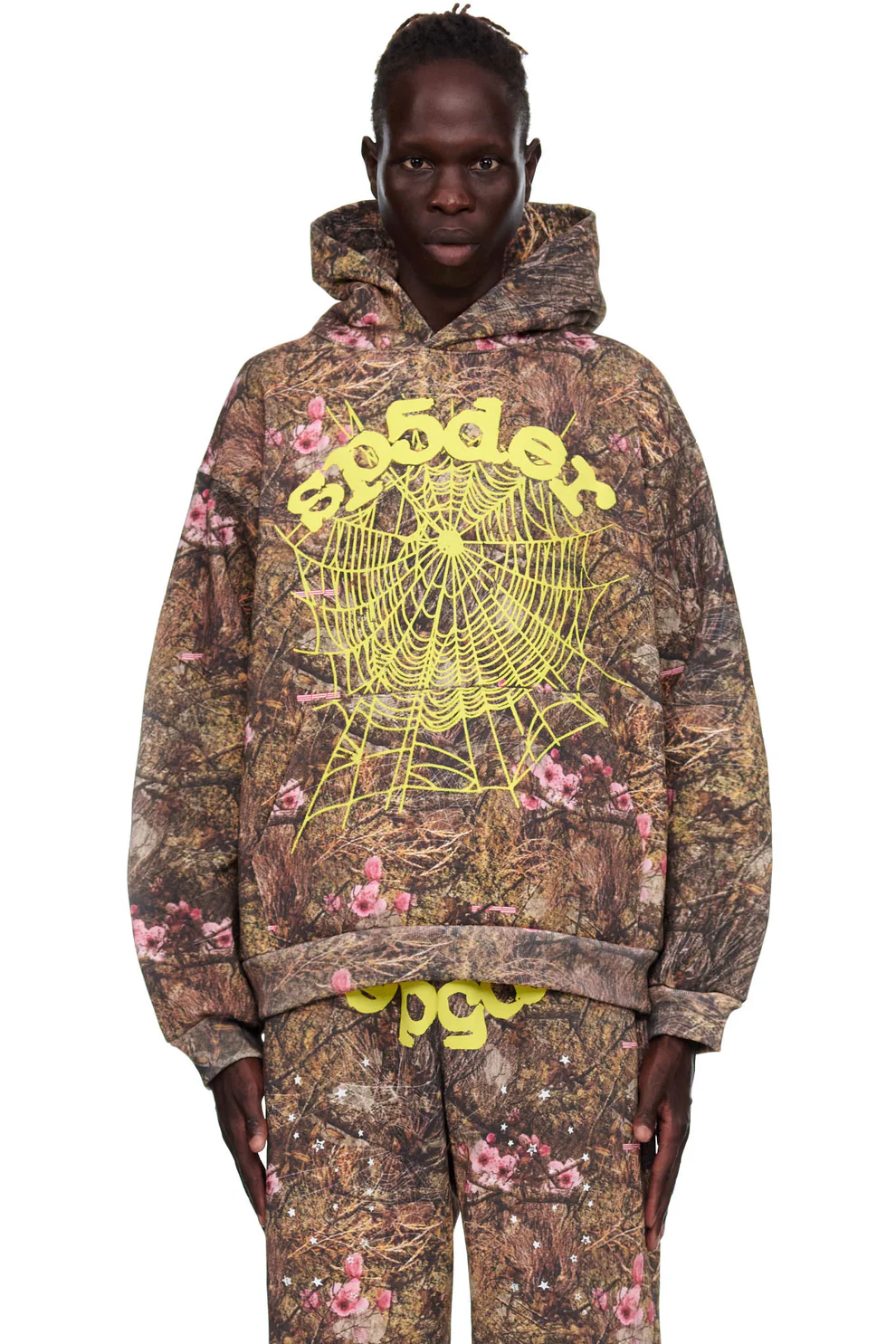
Notwithstanding its streetwear background, there is a valid argument to be argued that Sp5der has moved into high-end space — or at least into a new tier that calls for a different framework. The aftermarket premiums for the most sought-after sp5der hoodies reach into the hundreds and occasionally multiple thousands of dollars, situating them in a cost bracket that aligns with true high-end items by all conventional metric. The social prestige linked to holding an authentic sp5der hoodie at official price — the insider understanding needed, the difficulty demanded, the social validation it creates — parallels the sort of social signal psychology that have always been core to the way luxury products serve in cultural contexts. The label continues to be featured in and discussed by style magazines that typically cover the designer space, showing that the industry’s own tastemakers of taste welcomed Sp5der into a conversation previously limited to more prestigious labels. The reality that counterfeiting is abundant in the sp5der ecosystem is a back-handed endorsement of high-end appeal: fakes proliferate where real products hold real value, and the knockoff economy around sp5der clothing is as developed as the one around Louis Vuitton or Gucci. Young fans in 2026 habitually invest sp5der dollars on items they treat with the same reverence and appreciation that earlier shoppers saved for investment-grade luxury goods — keeping them properly, monitoring their worth, and wearing them only in the right setting. The psychological connection that passionate enthusiasts hold toward their sp5der hoodies is identical from how premium consumers relate to their most treasured pieces, no matter which label designation the label strictly claims.
Sp5der Compared to Classic Luxury: An Side-by-Side Look
| Dimension | Classic Designer (e.g. Gucci) | Sp5der |
|---|---|---|
| Price point | $500–$5,000+ per item | $150–$350 retail; higher on the secondary market |
| Distribution | Exclusive retail spaces, department stores | Web-based drops, periodic pop-ups |
| History | Many decades of fashion legacy | Established early 2020s by Young Thug |
| Limited availability approach | Premium pricing + controlled distribution | Small output + release mechanics |
| Cultural status | Wealth and class communication | Community awareness and group access |
| Main audience | Affluent buyers, 25–55+ | Youth 16–30, streetwear and streetwear community |
| Replica market | Significant (Vuitton, Gucci, Chanel) | Substantial and expanding |
The Elevated Urban Fashion Category: The Space Where Sp5der Truly Lives
The most genuinely accurate conclusion to the luxury-or-streetwear discussion is that Sp5der inhabits a category that lacked a widely accepted term until recently: top-tier urban fashion. Premium street fashion refers to brands that are anchored in street fashion’s roots and world but operate at cost structures, cultural prestige levels, and construction standards that substantially rise above what the word “streetwear” conventionally meant. The segment’s other members include labels like Rhude, Fear of God, and the higher echelons of Kanye West’s Yeezy brand — houses that arose out of rap and urban culture but now hold prices and cultural standing that blur the traditional distinctions. What distinguishes elevated streetwear from high-end designer is mostly the legacy narrative and the distribution method: high-end brands maintain history and controlled buying settings; premium streetwear labels offer cultural connection and web-based retail. The factor that separates it from traditional streetwear is price, material benchmark, and creative vision. Sp5der matches this paradigm exactly — it is too expensive and too culturally significant to be placed with budget street fashion labels, but too authentically rooted and internet-native to sit comfortably beside Gucci or Louis Vuitton. According to Business of Fashion’s analysis of the premium streetwear sector, names in this segment are the fastest-developing section of the industry-wide clothing market, outpacing both classic high-end and mainstream clothing in sales increase and customer interest. Sp5der’s position in this tier is both established and culturally important in 2026.
How the Resolution Genuinely Is Important to Shoppers
Knowing the space in which Sp5der operates on the luxury-or-streetwear divide is far more than an abstract labeling exercise — it has real consequences for how shoppers relate to and commit to the brand. If Sp5der be primarily a urban fashion label with inflated cost structures, shoppers would sensibly question whether the elevated price is warranted only through fabric standards, and the conclusion would be uncertain at most. If it be essentially a social designer good — where the premium represents community capital and peer messaging strength as opposed to construction expense — then the calculation evolves completely, and the added price proves more logical within its own framework. Buyers who view sp5der clothing as top-tier street fashion — investing for social belonging and identity as much as for the tangible garment — generally experience considerably happier with their acquisitions than buyers who measure it merely as a piece of clothing. The brand’s positioning also affects resale patterns: top-tier street fashion with true cultural capital appreciates more effectively over time than trend-dependent products from names with less established foundations. In 2026, the most helpful lens for thinking about Sp5der is as a different type of luxury — a form characterized by insider awareness, social membership, and drop-model engagement as opposed to old-money history and flagship retail distribution. This rethinking doesn’t diminish the brand; actually, it makes it more compelling as a cultural and industry phenomenon worth recognizing on its own basis.
